

|

|
|
What Are the Criminal Penalties for Manufacturing Methamphetamine in Illinois?
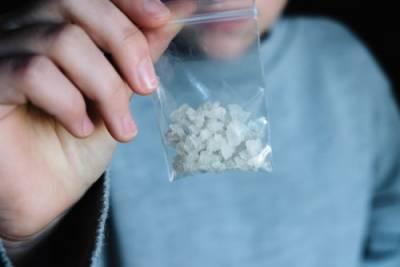 The amount of prison time someone faces in Illinois for a drug-related crime depends on many different factors. Judges look at the amount of the drug and whether the person was accused of manufacturing or selling the drug as opposed to merely possessing the drug.
Manufacturing methamphetamine or "meth" is a felony offense in Illinois. If you or a loved one have been accused of operating a "meth lab" or otherwise manufacturing methamphetamine, the first step is to seek personalized advice from a Rolling Meadows, IL criminal defense lawyer. With over 25 years of experience, Scott F. Anderson, Attorney at Law can answer all of your questions and provide legal guidance specific to your situation.
What Are the Penalties for Producing Meth in 2026?
The Illinois Methamphetamine Control and Community Protection Act prohibits the manufacture of meth or substances containing meth. Manufacturing meth is treated seriously because the substance is so dangerous. Homemade laboratories used to "cook" meth are also at risk of exploding, causing catastrophic or fatal injuries to others. For these reasons, any meth crime involving manufacturing is a felony in Illinois.
The sentences for manufacturing meth depend on the amount of the substance allegedly produced. The following list describes the criminal penalties associated with methamphetamine production in grams:
-
Less than 15 g of methamphetamine: Class 1 felony punishable by four to 15 years in prison and a maximum fine of $25,000
-
At least 15 but less than 100 g of methamphetamine: Class X felony punishable by six to 30 years in prison and a maximum fine of $100,000 or the drugs' street value
-
At least 100 but less than 400 g of methamphetamine: Class X felony punishable by nine to 40 years in prison and a maximum fine of $200,000 or the drugs' street value
-
At least 400 but less than 900 g of methamphetamine: Class X felony punishable by 12 to 50 years in prison and a maximum fine of $300,000
-
At least 900 g of methamphetamine: Class X felony punishable by 15 to 60 years in prison and a maximum fine of $400,000
When imposing fines for Class X meth offenses, judges also look at the "street value" of the meth, or how much it could have sold for. During sentencing, they can impose the statutory fine or the street value, whichever is larger.
What Is Aggravated Participation in Meth Manufacturing?
Illinois law treats meth manufacturing seriously, but some situations make the charge even more severe. Aggravated participation in meth manufacturing applies when certain factors are present during the manufacturing process. These factors include manufacturing meth within 500 feet of a school or a church when people are present. They also include manufacturing meth in a home where a child lives, or protecting a meth lab with alarms, firearms, or guard dogs.
The consequences are harsher when these aggravating factors apply. Anyone accused of aggravated participation in meth manufacturing should speak with an attorney as soon as possible, since the details of the case shape how the charges are handled.
Can You Face Charges for Having Meth Manufacturing Material?
Separate charges for possessing meth-making equipment often come up alongside meth manufacturing accusations. This can include items such as:
-
Glassware
-
Tubing
-
Coffee filters
-
Lithium batteries
-
Other household items that prosecutors claim were used in the manufacturing process
Many of these items are common household objects with legitimate, everyday uses. This makes proving intent tricky, since owning these items alone is not proof of a crime.
Prosecutors must show that a person possessed the items with the purpose of producing meth. An attorney can challenge these claims by showing that the items in question served an innocent purpose.
How Do Prosecutors Prove That Somebody Was Manufacturing Meth?
Meth manufacturing cases often rely on circumstantial evidence rather than direct proof. Prosecutors frequently point to the presence of certain equipment or ingredients found at a location. They may argue that possession of these items, combined with other circumstances, shows that manufacturing was taking place.
However, possession alone does not always prove manufacturing. A person may live in a home, share a car, or spend time in a location where these items are found without knowing anything about drug production. In these kinds of cases, prosecutors sometimes lack hard proof that ties a person to the manufacturing process.
When direct evidence is not available, the state must build its case using inference and circumstantial details. A skilled defense attorney can question whether the evidence truly supports the charge.
How Do Intent and Knowledge Affect a Meth Manufacturing Charge?
Intent and knowledge play a major role in meth manufacturing cases. The state must prove that a person knowingly took part in the manufacturing process. This means that simply being present at a location, or having a connection to someone involved in manufacturing, is not enough on its own to support a conviction.
Some people find themselves charged with manufacturing even though they had no idea what was happening around them. A roommate, family member, or friend may not know that meth production is taking place in a shared home or vehicle. Someone who lends equipment or supplies for an unrelated reason may not realize how those items will be used. These situations raise real questions about whether that person had the knowledge or intent required for a conviction.
Text messages, witness statements, and the layout of a location can all help show whether someone had actual knowledge of the manufacturing activity. An attorney can use these details to argue that a person was wrongly connected to a crime they did not knowingly commit.
Contact a Rolling Meadows, Illinois Drug Crime Defense Lawyer
Manufacturing meth is a felony offense in Illinois punishable by years or decades in prison. If you or a loved one has been accused of producing meth, you need a lawyer who will aggressively advocate for your freedom. Scott F. Anderson, Attorney at Law is here to help you understand your options. Contact us if you have questions about charges or an ongoing investigation.
Call our Arlington Heights, IL criminal defense attorney at 847-253-3400 to set up a free initial consultation today.
CALL US TODAY AT 847-253-3400 FOR A FREE INITIAL CONSULTATION
Client accused of burglary was acquitted due to our skillful cross examination of eye witness identification.
Client accused of causing the death of another while driving under the influence - Acquitted.
Client accused of first degree murder - Acquitted.
Client accused of embezzlement - Charges never filed.
Hundreds of Secretary of State hearings for Drivers License Reinstatement - Won.



121 S. Wilke, Suite 301, Arlington Heights, IL 60005
847-253-3400
